Cipher Neutron is a clean energy technology company advancing high-efficiency Anion Exchange Membrane (AEM) electrolysis for scalable green hydrogen production. Our core focus is the design and commercialization of next-generation AEM electrolyser stacks engineered for performance, durability, and cost competitiveness. Our AEM electrolysers produce high-purity hydrogen without reliance on scarce platinum group metals such as iridium and ruthenium. By eliminating these price-volatile materials, we reduce capital costs, enhance supply chain resilience, and enable predictable large-scale deployment. This PGM-free architecture positions our systems among the most economically competitive commercially available solutions for green hydrogen production. In addition, our fully PFAS-free electrolysers support environmentally responsible hydrogen generation aligned with global sustainability goals. Designed for industrial operation, Cipher Neutron’s AEM stacks deliver high efficiency, strong mechanical integrity, and stable performance under dynamic renewable power conditions.
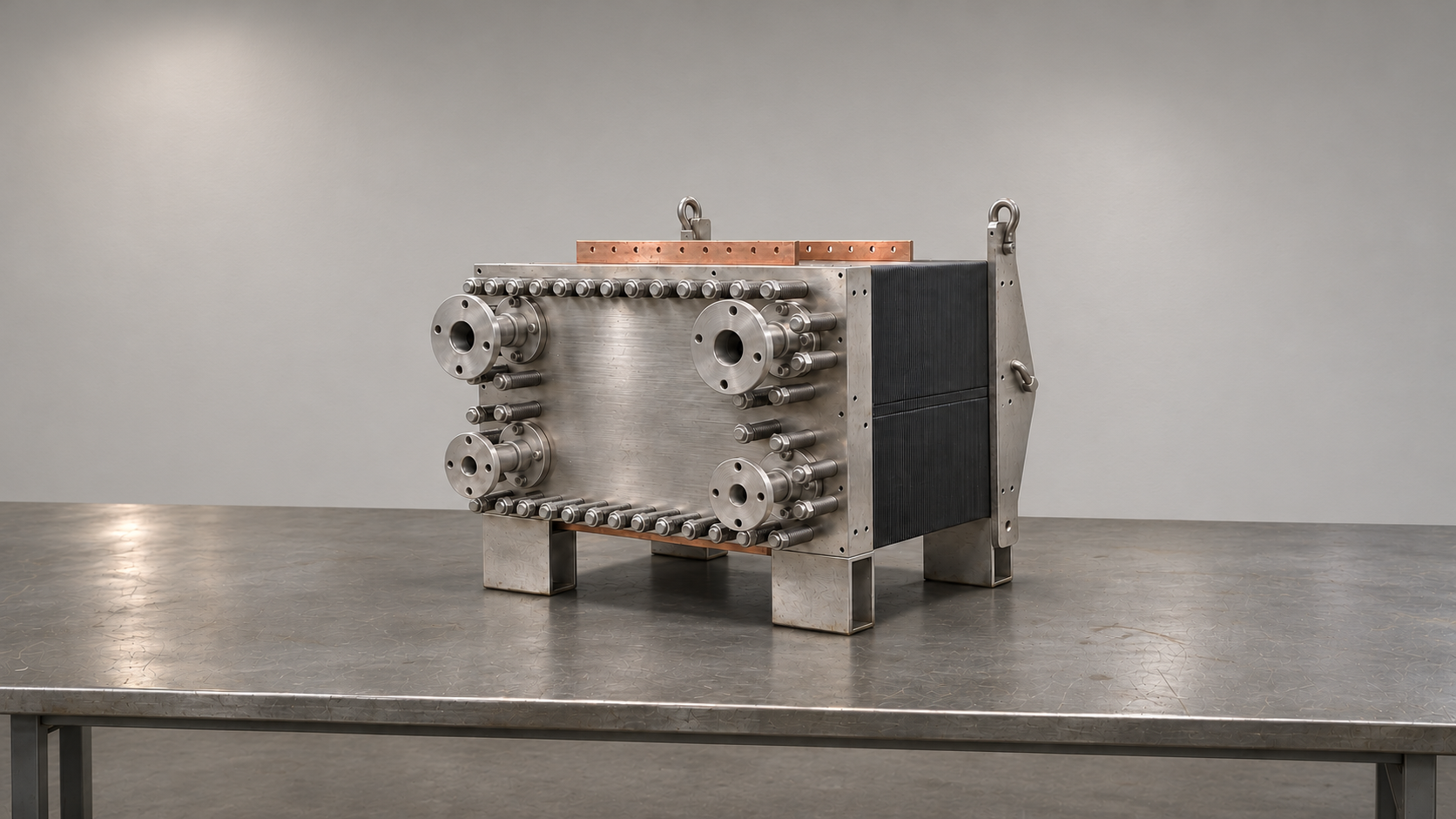
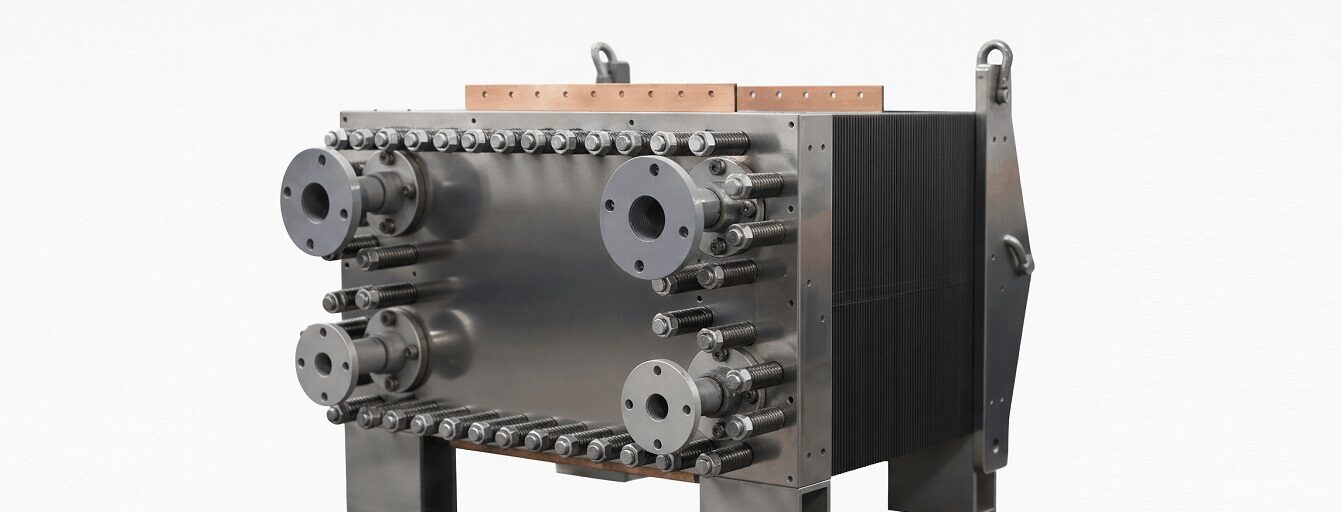
Cipher Neutron designs and builds its flagship 250 kW anion exchange membrane (AEM) electrolyser stack in Toronto, Canada. Developed for industrial hydrogen production, the stack brings 250 kW of electrolysis capacity into a single assembly. Its iridium-free anode eliminates the need for iridium in the oxygen-producing reaction, reducing dependence on one of the scarcest catalyst materials used in electrolysis.
At beginning of life, the stack’s nominal operating point is 1.5 A/cm² at 1.80 V per cell. At that voltage, calculated DC energy consumption is approximately 4.3 kWh per normal cubic metre of hydrogen at stack level. This gives system designers a basis for estimating the electrical demand of electrolysis before accounting for pumps, cooling, and downstream gas handling.
The 250 kW format gives project teams flexibility in how they build their plant. A system integrator can design a pilot around one stack or pair two stacks for 500 kW of installed stack capacity. The integrator can select the DC power supply, electrolyte circulation, cooling, and hydrogen purification equipment to suit the site and the hydrogen end use.
| Parameter | Rating |
|---|---|
| Hydrogen pressure | Up to 30 bar |
| Hydrogen purity | 99.9% |
| Purity with additional purification | Up to 99.999% |
| Anode type | Iridium-free |
| Feed water quality | ASTM Type 1 |
| Feed water pressure | 2 to 6 bar |
| Feed water temperature | 5 °C to 40 °C |
| Ambient operating temperature | 5 °C to 50 °C |
| Parameter | Rating |
|---|---|
| Maximum single-stack capacity | 250 kW |
| Specific energy consumption (BoL) | ~4.3 kWh/Nm3 at stack level |
| Current density (BoL) | ~1.5 A/cm2 at 1.80 V/cell |
| Average cell voltage (EoL) | 2.2 V |
| Operating range | 20% to 120% |
| Nominal stack current | 2250 A |
| Nominal stack voltage | 120 V DC |
The standard ambient operating temperature range applies to the equipment environment. Cold-climate system configurations are subject to project-specific thermal management and environmental requirements.
Cipher Neutron designs and builds AEM electrolyser stacks in Toronto, Canada. In 2023, the company shipped its first 10 kW stack to Taiwan. In 2024, it began shipping stacks rated at 10 kW and below to customers worldwide. Today, customers can request a quotation for a stack to integrate into their own equipment or work with Cipher Neutron on a complete hydrogen system.
The choice starts with what your site already has. A research facility may have a DC power supply, cooling and controls in place and need only the stack. An industrial site planning green hydrogen production may need the electrolyser, gas handling and storage specified together. Cipher Neutron can define the equipment and connections for either scope.
For laboratories and system developers, a smaller AEM stack offers a way to produce hydrogen on site, evaluate controls or run a pilot before committing to a larger installation. The operating schedule, supply voltage and required outlet pressure help determine the right configuration.
Cipher Neutron’s 250 kW single-stack design gives integrators a defined unit around which to size the power supply, circulation loop, cooling and downstream hydrogen equipment. Project teams can plan around one stack or combine multiple stacks to meet a larger production requirement.
Cipher Neutron can supply an electrolyser with compressed hydrogen or metal hydride storage, and a fuel cell where the site needs electrical power back. A project-specific quotation can include engineering, equipment supply, installation, commissioning and operator training.
Cipher Neutron is advancing iridium-free green hydrogen production through its next-generation Anion Exchange Membrane (AEM) electrolyzer technology.
Iridium is one of the world’s scarcest and most supply-constrained metals, creating significant cost and scalability challenges for conventional electrolyzer technologies that depend on it. Cipher Neutron’s AEM electrolyzers are designed without iridium, helping reduce exposure to material price volatility, strengthen supply-chain resilience, and support the large-scale deployment of green hydrogen systems.
Through the use of advanced catalysts, innovative materials, and proprietary stack designs, Cipher Neutron is developing high-efficiency electrolyzers engineered for durability, cost competitiveness, and reliable operation under dynamic renewable-power conditions.
Our iridium-free and fully PFAS-free technology platform reflects Cipher Neutron’s commitment to delivering practical, environmentally responsible hydrogen solutions. By combining strong technical performance with scalable manufacturing, we aim to make green hydrogen more accessible and economically viable for industrial applications worldwide.
.
Per- and polyfluoroalkyl substances (PFAS), colloquially known as "forever chemicals," have historically played a pivotal role in traditional Proton Exchange Membrane (PEM) Electrolysers. However, the alarming association between PFAS and potential health risks, as highlighted by the Agency for Toxic Substances and Disease Registry, has cast a shadow over their widespread use. These risks encompass an elevated susceptibility to kidney failure and cancer, diminished fertility in women, and adverse impacts on the growth and learning abilities of children.
In response to the growing global apprehensions surrounding PFAS, various governments, including the European Union, are deliberating the prohibition of specific PFAS, reshaping the dynamics of the supply chain for electrolysers. Amidst this evolving landscape, Cipher Neutron stands out with a proactive and forward-thinking approach. The company pioneers the use of Anion Exchange Membranes that are entirely composed of PFAS-free materials in their electrolysers. This unwavering commitment signifies a crucial stride toward the development of sustainable and environmentally friendly electrolysers.
By steering clear of PFAS and prioritizing alternative, eco-friendly materials, Cipher Neutron not only addresses the health and regulatory challenges linked to the conventional use of PFAS but also takes a leadership role in advancing electrolysis technology. This strategic decision positions Cipher Neutron at the forefront of the eco-friendly electrolysis frontier, contributing significantly to the creation of a cleaner and safer future. In doing so, Cipher Neutron not only aligns with emerging regulatory standards but also champions a paradigm shift towards sustainable and health-conscious electrolysis practices.
.


Read More

Read More
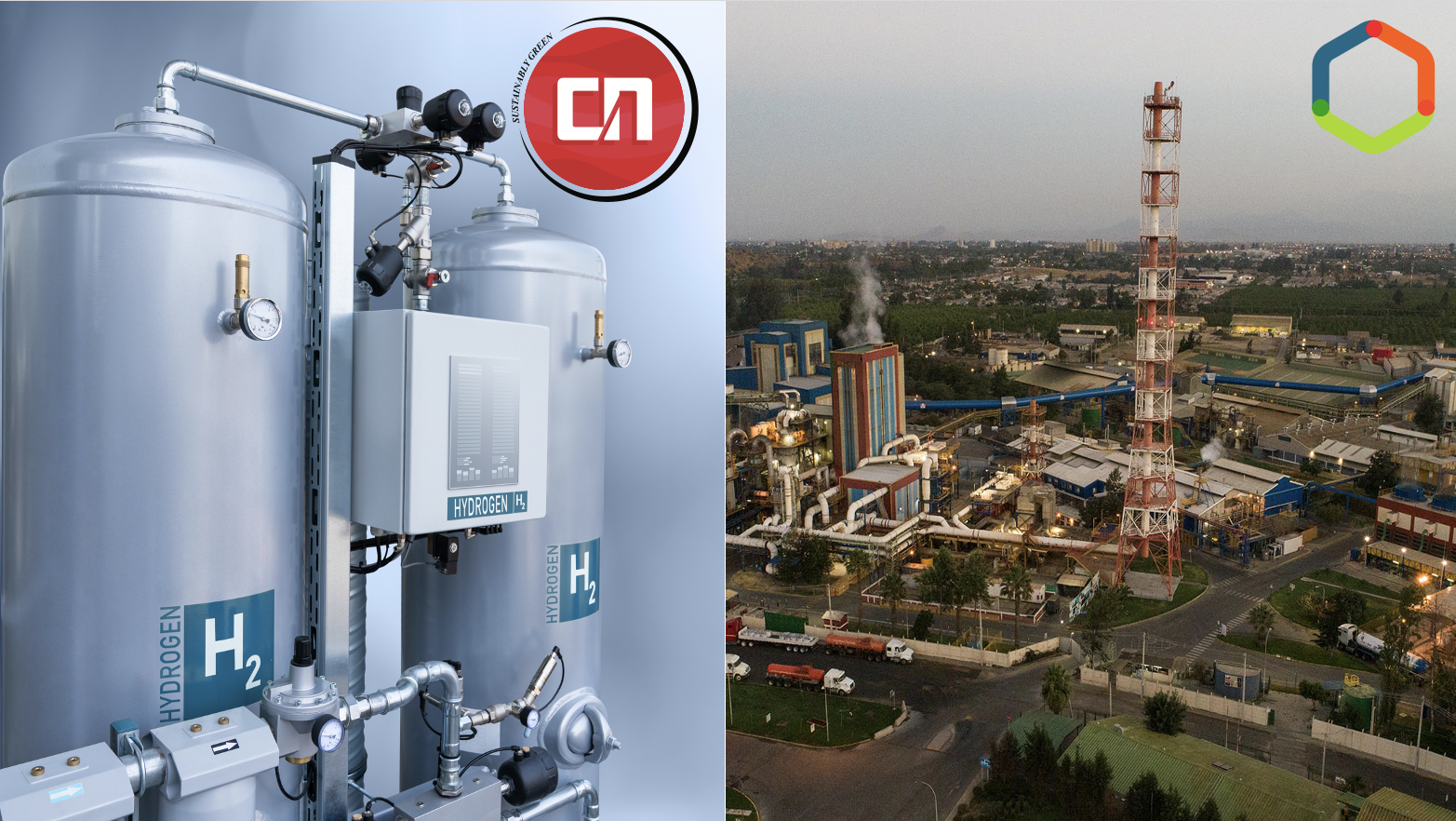
Read More
Read More
Read More
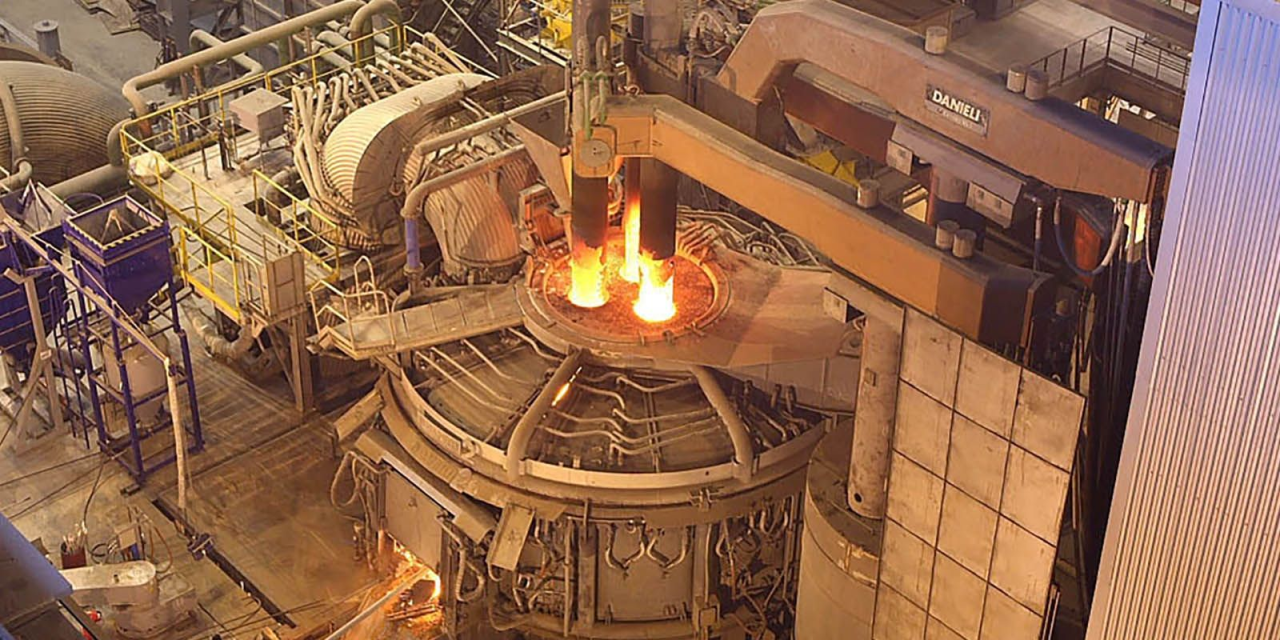
Read More
Read More
Read More

…
Read More
…
Read More